
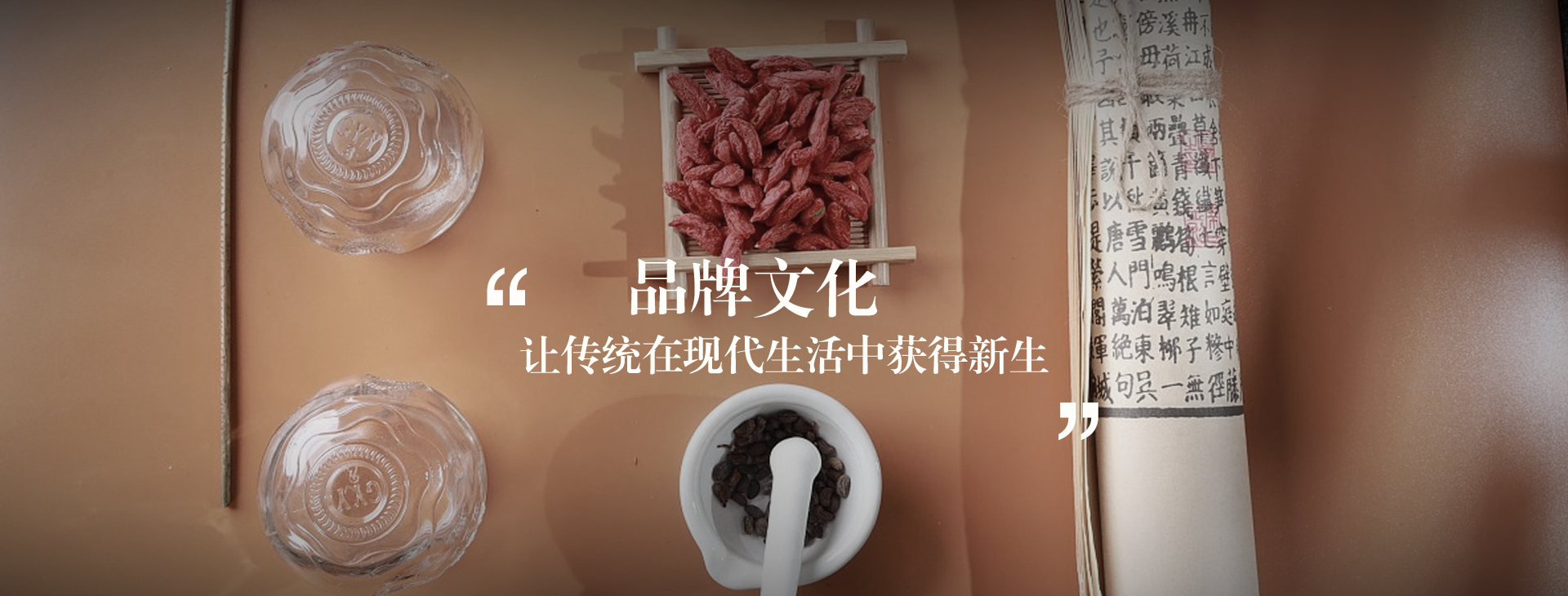
Suzhou Wu’s Medicine is a regional genre of traditional Chinese medicine, well-known for its reputation as "multiple famous doctors, ancient books, and birthplace of epidemic febrile disease school". Wu’s Medicine was established and developed after Dai Engong came to Wu from the late Yuan Dynasty to the early Ming Dynasty. As an outstanding personage merging comprehensive experience of famous doctors into a single whole, he had a high reputation in Suzhou traditional Chinese medicine circles. Later, promoted by Wang Zhongguang, a "localized” doctor in Central Wu, multiple famous doctors emerged during several hundred years, including some celebrities, "famous nationwide, famous locally, masters writing books and centering on creation and invention, leaving glorious memories in diagnosis and treatment, specializing in treating diseases, proficient in various principles, special diseases, unique treatment, in general, not only superb medical treatment but also ethics”, ultimately developing into large-scale and influential Wu’s Medicine.
Wu’s Medicine occupies an important position in the history of Chinese medicine, closely related to the rise of Suzhou epidemic febrile disease school. Prior to the formation of epidemic febrile disease school, common medical practitioners followed dialectical methods of 6 classics of Zhang Zhongjing Treatise on Febrile Diseases. Located in humid Southeast, Central Wu frequently witnessed plague and febrile diseases. Different from typhoid fevers in terms of causes, incidences, transmission process and treatment principles, methods for typhoid fevers to treat plague and febrile diseases seem unsatisfied. Thus, certain famous traditional Chinese medical doctors such as Wu Youxing, Ye Tianshi, Xue Shengbai and Miao Zunyi, based on sufficient clinical practice, established the theory of epidemic pathogenic factors and febrile diseases. Ye Tianshi Theories of Epidemic Febrile Diseases revealed dialectical principles of "protection, energy, nutrition and blood", different from Treatise on Febrile Diseases. Febrile disease school focused on basic theories, learning from other advantages, invention and innovation, practical results in prescription medication, characterized by "lightness, clarity, dexterity, and cleverness". Since then, the theory of epidemic febrile diseases has witnessed complete theoretical systems from etiology, pathogenesis to dialectical treatment, experiencing tremendous impact on development of traditional Chinese medicine, constantly leading the world in anti-infective therapy science and technology.
Wu witnessed multiple famous doctors, and characteristic traditional Chinese medicinal materials.
During the Northern and Southern Dynasties, Tao Hongjing's Famous Doctors' Records recorded: " centipede, born Jiangnan Dawu, barefooted and good.” Later generations have said "Throw away Suzhou centipede, not available".
Tang Dynasty poet Wang Wei had the poem "A distant brother ascends a high place, with one less tetradium ruticarpum planted everywhere.” The tetradium ruticarpum mentioned serves as a traditional Chinese medicine with special effects of warming and analgesic, treating headache, vomiting, dysentery and diarrhea, treating multiple diseases with 1 medicine, indicating tetradium ruticarpum is unusual. Chinese Dictionary of Medicines states "this product can be used in the north and the south, topping in Wu, hence its name.” According to legend, Tang Dynasty Monk Jianzhen took a sea voyage eastward to Japan, bringing tetradium ruticarpum to Japan. Later, it was cultivated in Japan, but far from high quality produced in China.
Italian traveler Marco Polo visited China in the Yuan Dynasty, mentioning Suzhou in his Chronicle: "This city witnessed multiple scholars and doctors.” He also said "sufficient rhubarb and gingers in the mountains near the city, one Venice silver coin can buy sixty pounds." It can be seen that these 2 commonly used Chinese medicines settled in Suzhou long time ago.
With sound natural conditions, Suzhou witnessed sufficient local medicinal materials, including 4 world famous small medicinal materials (small herbs, small flowers and fruits, small animals, and small minerals), and Wu medicinal materials such as Su mint, mandragora, beautiful sweetgum fruits, franchet groundcherry persistent calyx or fruit, Selaginella tamariscina, rhizoma atractylodis, bog rush, fructus aurantii, pericarpium citri reticulatae viride, selaginella, rhizoma atractylodis, rush, fructus aurantii, vatica astrotricha, rhizoma phragmitis, lotus leaf, green plum flower, gorgon fruit, citron, centipede, earthworm, zaocys dhumnade and pearl. Even roses have a reputation of "with sufficient color and fragrance in Su, application proving effective".